miércoles, 27 de mayo de 2020

STORY " THE THREE LITTLE PIGS"

The Three Little Pigs: Amazon.es: Dk, Di Lernia, Giuseppe: Libros ...

Audio:

https://drive.google.com/file/d/1052O2INW5QOHsX_RVEFbSqwoWOk773AP/view?usp=sharing

Thank you Sam!

ACTIVITIES IN YOUR NOTEBOOK:

1-  Answer the question: Which is the lesson of the story?

2-  Complete the worksheet ( regular and irregular verbs).
Si tenéis dudas, entrad en Wordreference, escribid el verbo y en las opciones que vienen justo debajo en azul pinchad: conjugator (EN); en el recuadro escribid de nuevo el verbo y os saldrán en todos los tiempo verbales.
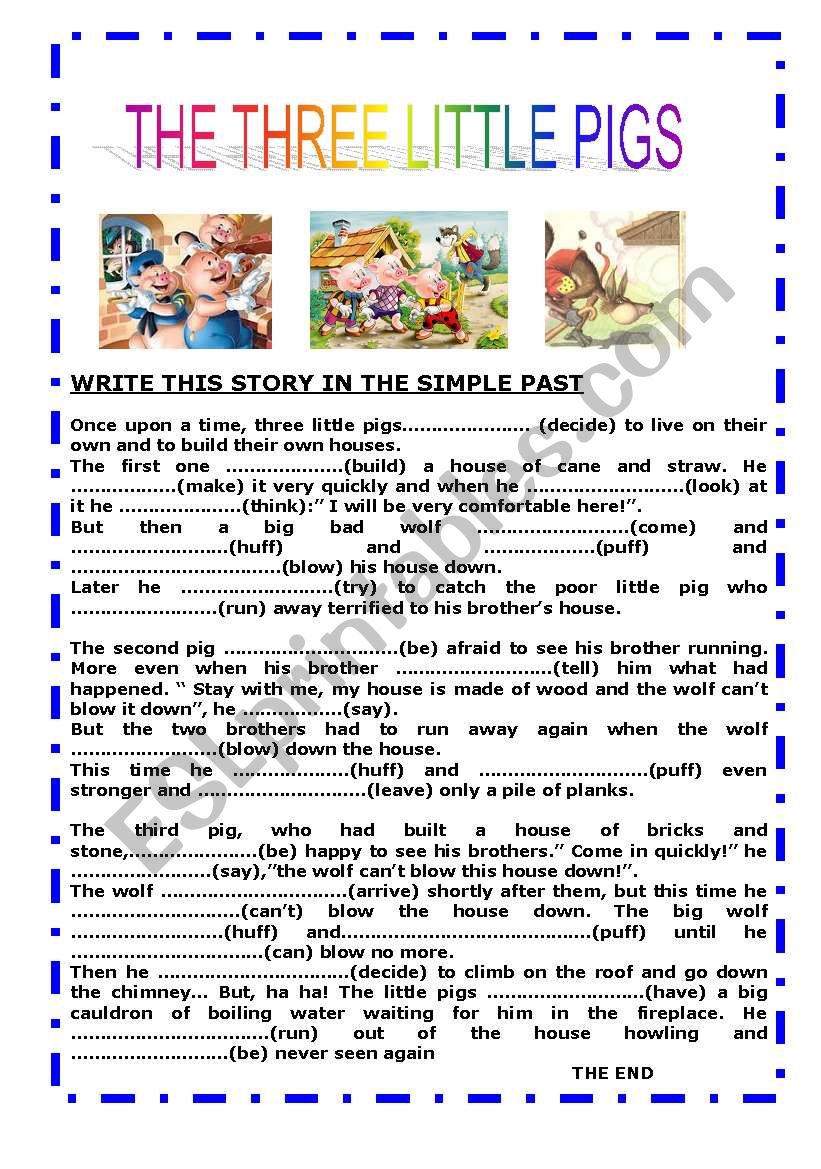
THE THREE LITTLE PIGS - ESL worksheet by tagoreluz1
Si la queréis imprimir este es el enlace, cuidado que es solo la segunda hoja porque el documento tiene 7 hojas en total.

https://www.eslprintables.com/reading_worksheets/tales_and_stories/the_three_little_pigs/THE_THREE_LITTLE_PIGS_567312/

domingo, 24 de mayo de 2020

TEST- IRREGULAR VERBS 6


Good Morning GIF - GoodMorning - Discover & Share GIFs | Buenos ...

GOOD MORNING MY FRIENDS!!

THIS IS THE TEST, LET´S GO!!!!

Read carefully because in some questions you have to write INFINITVE- PAST SIMPLE -PAST PARTICIPLE,  e.g. infinitve- past simple- past participle of verb "venir": COME-CAME-COME, always in CAPITAL LETTERS (mayúsculas) (usa un guión para separar las palabras)


https://forms.gle/ck6rRBrSikowSRQM8


miércoles, 20 de mayo de 2020


FERMENTATION

Fermented Foods | Health Stores Ireland

USEFUL INFORMATION:

Why does pizza dough rise?
When yeast feeds on the sugars in the dough, carbon dioxide is produced as a product. This gas causes the dough to  rise.
How is fermentation useful?
We use it to preserve foods, to make cheeses, yoghurt, alcohol, dough, etc.
Can you think of any other ways we use fermentation?
-To make vinegar from wine
 -To preserve olives and pickles
-To make antibiotics and other     medications
-To make ethyl alcohol
-To treat waste water

THIS IS A VIDEO ABOUT FERMENTATION:

https://www.youtube.com/watch?v=5pxe6YW7pO4

AUDIO PAGE 63

https://drive.google.com/file/d/1O86X752Iytt6hZKZfjdaD4ZeI8MP9GFB/view?usp=sharing


ENGLISH


DO, MAKE , GO , HAVE


DO

Do is used to talk about work, Jobs and activities
-          Do someone a favour
-          Do the shopping
-          Do your best
-          Do your homework


MAKE

Make is generally used to talk about creating or producing something
-          Make a cake
-          Make your bed
-          Make a choice
-          Make friends
-          Make a mistake
-          Make a phone call
-          Make up your mind (aclararse)


GO

Go is often used with gerunds
-          Go swimming
-          Go camping
-          Go shopping
-           

HAVE

Se usa como expresiones
-          Have lunch ( not eat)
-          Have breakfast
-          Have dinner
-          Have a shower


Os dejo este cuadro y un juego en el drive para practicar:


martes, 19 de mayo de 2020

OXIDATION

What Is Oxidation And What Is It Doing To My Wine? | VinePair                                         Oxidation - Lessons - Tes Teach

WHY DO BANANAS TURN BLACK?

Because bananas contain a hormone that changes colour when it is oxidised.

WHY DO PAPERS TURN YELLOW?

https://www.youtube.com/watch?v=htv35U_t5Xo

AUDIO page 62

https://drive.google.com/file/d/1BS4CTPsdYJzn89E1fQnUIRGhq-f_TuwG/view?usp=sharing
ENGLISH


VERBS FOLLOWED BY INFINITIVE / -ING FORM

 If a verb is followed by another verb, the second verb is either in the   -ing or the infinitive, with or without TO.

Sorry, there isn’t a rule. You have to learn which verbs go with which pattern.


VERBS FOLLOWEB BY - ING
ADMIT
CONSIDER
DETEST
ENJOY
CAN´T HELP
FINNISH
SUGGEST
My sister admitted lying her boss.
They consider travelling by plane.
I detest watching scary movies.
He enjoyed playing football with them.
You can´t help cooking right now.
I´ve almost finished doing my homework.
Jack suggested going to the cinema tonight.


VERBS FOLLOWED BY TO + INFINITIVE
AGREE
ASK
EXPECT
HAPPEN
HOPE
INTEND
PROMISE
PERSUADE
REFUSE
WOULD LIKE
I agree to buy these tickets.
He´s asked them to play a football match.
She expected to pass the test.
happen to see Bob at least once a week.
I hope to do it well.
You intended to sell your books.
She promised to take me there.
I´ve persuaded my cousin to come shopping with me.
We refuse to accept your offer
d like to go home quite soon.


VERBS FOLLOWED BY INFINITIVE WITHOUT TO

LET
MAKE
My parents don´t let me stay out late.
My mum made me do my homework.


VERBS FOLLOWED BY EITHER FOR WITH NO DIFFERENCE IN MEANING

(Ya sea con –ing o en infinitivo da igual, se pueden usar las dos formas y no cambia su significado)

BEGIN
CONTINUE
LIKE
LOVE
PREFER
START
I like reading at breakfast = I like to read at breakfast.

She continued studying = She continued to study.


SOME VERBS CHANGE THEIR MEANING DEPENDINGD ON IF THEY ARE FOLLOWED BY – ING OR TO
REMEMBER
FORGET
STOP
TRY
He remembered to do his homework
 ( He did his homework, he didn´t forget) acordarse de
She remembered meeting him years before (She had to memory of meeting him) recordar


Video con más ejemplos:  https://www.youtube.com/watch?v=PaXNVF7W2Aw


Os dejo también este cuadro en el drive por si queréis descargarlo o imprimirlo:


https://drive.google.com/file/d/1aIAActnKJhl4SRmVl0G9vUejJR97WuJ3/view?usp=sharing